

Is blackmailing ilegal? Yes, it is never okay to blackmail someone. You may have seen examples of blackmail in many TV shows/series. It goes something like:
Person A threatens Person B to give them money. If Person B does not comply, Person A will destroy their reputation on soccial media with a dummy account.
People who blackmail often look for victims who have a bad reputation or has a dark secret they know of. They will take advantage of this so the blackmailer can get what they want. This criminal offence is a type of abuse. In other countries, blackmail is also a criminal offence that is punishable by law.
The specific penalties for blackmail can vary depending on the jurisdiction, but they may include fines, imprisonment, or both. The seriousness of the punishment often depends on the severity of the crime and the harm caused to the victim.
So, is blackmail illegal? Yes. This is a serious crime that abuses a person’s space, privacy, and free will. If you fear that someone might blackmail you or is currently blackmailing you, read more below.
Introduction to Blackmail
Blackmail is a serious indictable offence under the Crimes Act in Australia. It occurs when a person makes an unwarranted demand with menaces—meaning threats of harm or detrimental action—intending to obtain gain, such as money, property, or even sexual favours, or to cause loss to another person.
This criminal offence can involve threats to inflict physical harm, damage personal property, or ruin someone’s reputation they meet certain demands. Blackmail does not only include money demands; it can also include coercing someone into actions against their will or benefits extraction. The act of blackmail can be committed through direct threats, intimidation, or even implied threats, making it a serious crime under the law
In New South Wales, those found guilty of blackmail face significant penalties, including lengthy imprisonment, reflecting the gravity of this offence and its impact on victims. Let’s read on to know what these penalties are.
Is Blackmailing Illegal: What Laws Can Protect Me?
Thankfully, there are NSW laws that can protect blackmail victims. In fact, the Crimes Act 1900 NSW contains provisions for it. Blackmail is a criminal law offence prosecuted in the criminal justice system. This Act covers a wide range of offences, including murder, assault, theft, fraud, and blackmail, among others.
Section 249K of the Crimes Act states that a person commits or is guilty of blackmail if they intend to make unwarranted demand with menaces (an express or implied threat of any action detrimental or unpleasant to another person) with:
- The intention of obtaining a gain or causing a loss
- The intention of influencing the exercise of public duty
The prosecution must prove each element of the offence, including the second element, which is the intent to obtain gain, cause loss, or influence public duty.
The maximum penalty for blackmail is 10 years if the factors above apply.
More Penalties of Blackmail
A person is guilty of an offence under this subsection if they commit an offence by accusing, or threatening to accuse, another person of a serious indictable offence. The maximum penalty for this offence is 14 years. Section 249M defines ‘menaces’ as:
- An express or implied threat of any action detrimental or unpleasant to another person; and
- A general threat of detrimental or unpleasant action that is implied because the person making the unwarranted demand holds a public office.
The maximum penalty for blackmail is typically up to 10 years imprisonment, increasing to 14 years for serious offences involving a serious indictable offence.
A demand is considered unwarranted unless the person believes they have reasonable grounds for making the demand.
A person can be convicted of blackmail even if the benefit was never obtained or the threat was never carried out, and courts impose penalties regardless of whether any gain was actually obtained.
Understanding Threats With Menace
Threats against an individual
A threat against an individual does not constitute a menace unless it would cause:
- An individual of normal stability and courage to act unwillingly in response to the blackmailer’s threat, as assessed from an objective point of view, considering whether a person of reasonable firmness and courage would act unwillingly
- The particular individual to act unwillingly in response to the threat and the blackmailer is aware of the particular individual’s vulnerability to the threat
The use of force or threats can be evaluated to determine if the conduct would be considered coercive or threatening enough to constitute blackmail.
Threats against a government body or body corporate
A threat against a government body or body corporate does not constitute a menace unless it would:
- Ordinarily cause an unwilling response
- Cause an unwilling response because of a particular vulnerability of which the blackmailer is aware.
How Do You Prove the Crime?
Now that we know the answer to ‘is blackmailing illegal’ and the concept of menaces, we can discuss how to prove blackmail through proper means.
People should be able to prove that blackmail occurred in order to file a case, just like with other criminal offences. This includes contacting necessary authorities and agencies, like the police, who can help with proving blackmail. But what must be proven in court?
In a criminal case, the prosecution must prove each element of the offence beyond reasonable doubt. Specifically, the prosecution must prove beyond a reasonable doubt that a person made an unwarranted demand with menaces and intended to obtain a gain, cause a loss, or influence the exercise of a public duty. The prosecution is responsible to present evidence in court, and witnesses can be cross-examined by the defence to challenge the prosecution’s evidence.
On the other hand, the blackmailer can also defend themselves if:
- Their actions did not constitute menaces
- They did not intend to obtain a benefit or cause a loss
- They were forced to blackmail someone because they were under duress from another party.
If the blackmailer was found guilty, the court can impose alternative punishments based on the circumstances surrounding the offence, personal situation, and any previous criminal history, such as:
- Intensive correction orders (ICOs)
- Home detention
- Community service orders (CSOs)
- Good behaviour bonds
- A monetary fine; or
- A suspended sentence
Note: It’s highly advisable to seek legal advice if a person believes they are being blackmailed. The same goes for people who believe they were under duress for blackmailing a person.
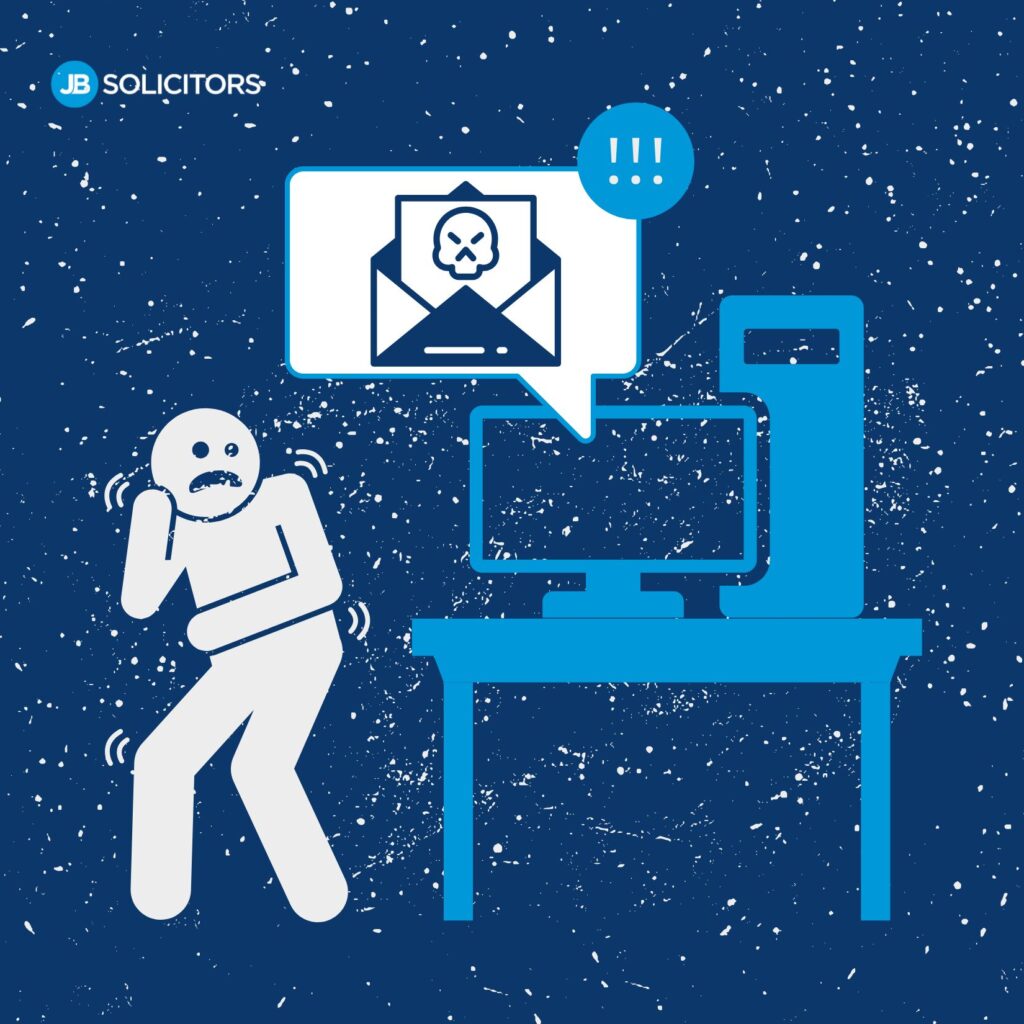
Is Blackmailing Illegal: Types of Blackmail
You now know that blackmailing is illegal, but do you know there are other types of blackmail? Threats in blackmail can be communicated not only verbally, but also through body language or gestures, which can imply a threat without words. Below are types of blackmail that people should take note of.
1. Extortion
This type of blackmail involves illegally obtaining money, property, or other concessions from another person through coercion. This can involve threatening to reveal embarrassing or damaging information about the victim, or physically harming them or their loved ones. Extortion is considered a serious crime and is punishable by law.
2. Emotional Blackmail
Is blackmailing illegal if used for psychological manipulation? Yes. This is referred to as emotional blackmail. It often involves threatening to withdraw love, support, or affection if the victim does not comply with the blackmailer’s demands. Additionally, this can also involve threatening to:
- Reveal embarrassing or damaging information
- Create emotional pain or distress
- Hurt the alleged victim if they do not comply
Emotional blackmail is common for family law matters, where partners may manipulate their ex-spouses to conform to certain demands. However, this type of blackmail may also occur in any type of relationship ,like family, friends, and workplaces. Emotional blackmail may also be categorised as domestic abuse.
3. Financial Blackmail
Is blackmailing illegal if used for financial matters? Yes. This common type of blackmail involves a person who threatens to reveal damaging/embarrassing information to obtain money or property. Victims who suffered from this blackmail may have low credit scores and bad reputations
Hence, people who are aware of this take the chance to blackmail them, plunging them further into debt or financial crisis. Financial blackmail can take many forms, such as threats to reveal information about:
- Tax evasion
- Insider trading
- Embezzlement
- Other illegal financial activities
4. Political Blackmail
Is blackmailing illegal if used for politics? You would be surprised if it doesn’t. Political blackmailers use threats or coercion to influence political decisions or actions. Political blackmail can take many forms, including but not limited to:
- Threatening to reveal damaging information about a political candidate or official
- Using bribery or other forms of corruption to influence political decisions
- Threatening to harm a political party or cause political instability if demands are not met
- Extorting money or other benefits from a political figure or organisation
5. Cyber Blackmail
Is blackmailing illegal if used online? Yes. The internet has provided security for many people around the world. However, this also masks users who may want to blackmail someone to stay anonymous. This is one of the mosty feared and dangerous types of blackmail since it’s difficult to pinpoint cyber blackmailers. Moreover, they can use social media to blackmail someone or set up a story that can cancel the victim.
Cyber blackmailers tend to:
- Threaten to release sensitive information obtained through hacking, such as financial information, personal data, or login credentials
- Demand a ransom payment in exchange for not releasing confidential information
- Threaten to spread false or damaging information in order to harm a person’s online reputation or credibility.
Defences and Mitigating Factors
If a person is accused of blackmail, there are several possible defences and mitigating factors that may be raised in court to challenge the charges or reduce the severity of the penalties. One common defence is to argue that the demand was not unwarranted, or that the person making the demand had reasonable grounds for their actions.
Another defence may be that the threat or menaces did not reach the threshold required to constitute blackmail under the law. The accused may also seek to prove that they acted under duress, meaning they were forced to make the threat or blackmail, or that the alleged victim consented to the demand.
Additionally, the court will consider mitigating factors such as the accused’s previous criminal history, cooperation with police, and any evidence of genuine remorse. These factors can influence the outcome of the case and may result in reduced penalties if the court is satisfied that the circumstances warrant leniency.
Reporting Blackmail
If you are a victim of blackmail, it is vital to report the crime to your local police as soon as possible. When making a report, try to gather and provide as much evidence as you can, such as messages, emails, or any other communication from the person making the unwarranted demand. The police will investigate the matter, collect evidence, and work to build a case against the accused.
Reporting blackmail not only helps protect you but also prevents the person from targeting others. Remember, you do not have to face this situation alone—reaching out to the police is the first step in addressing the crime and seeking justice.
Victim Support and Resources
Victims of blackmail, including those targeted by webcam blackmail or online extortion, can access a range of support services to help them cope with the emotional and psychological effects of the crime. These services may include counselling, advocacy, and practical assistance, such as changing contact details or improving personal security.
There are also organisations that specialise in supporting victims of cybercrime, offering guidance and resources tailored to online threats. If you have experienced blackmail, it is important to remember that help is available. By seeking support and reporting the crime to the police, you can take steps to protect yourself, recover from the experience, and ensure that those responsible are held accountable.

How Can Lawyers Help With Blackmailing Matters?
People who suffer from blackmail tend to hide from the public out of shame. Most likely, they would feel helpless, betrayed, and stepped all over by their blackmailer. It’s an awful thing to feel, especially if they have a good reputation that they want to take care of.
With that being said, we encourage victims of blackmail to seek legal advice from our lawyers. We at B Solicitors dedicatye to protecting our clients’ reputation and best interests in blackmail cases. Our team can help assess the situation, contact the necessary people, and determine the best course of action for these kinds of legal matters. We can also help clients who suffered from blackmail:
- Obtain restraining orders if the blackmailer is caught
- Negotiate settlements
- Proceed with other legal actions if the blackmail resulted in physical harm
- Gather credible evidence to prepare a strong case against the blackmailer
- Help clients who plead guilty get lighter penalties listed
Contact us today if you have more questions like ‘is blackmailing illegal?’

