

What to do when there’s a car impounded, someone else driving? Car impound, also known as vehicle impoundment, is the legal process where authorities, typically police officers, remove your car from a public or private space and hold it in a secure facility (impound lot) for a specific impounding period.
This happens for various reasons, primarily to ensure public safety and deter illegal or dangerous driving behaviour. But what if some else was driving your impounded motor vehicle? One possible scenario would be when your car was stolen and the thief or another person or vehicle owner used your car.
This article will discuss the things that you can do if this scenario happens to you.
What to Do When You Car Was Stolen?
If there’s a car impounded someone else driving, because it was stolen, these are the steps that you must follow:
- Report the situation.
- Call the police: This is the most crucial step. Dial 000 if the theft is happening right now or if your car was stolen recently. If it’s been a while since the theft, you can report it online through the NSW Police Force Community Portal or by calling Policelink on 131 444.
- Gather information: While waiting for the police, gather as much information about your car as possible, including:
- Make, model, and year
- Registration number
- VIN number (Vehicle Identification Number)
- Colour and any distinguishing features
- Location where it was last parked
- Time you noticed it was missing
- Any belongings left inside the car
- After reporting the theft.
- Contact your insurance company – Once you’ve filed a police report, call your insurance company to inform them of the theft and initiate the claims process. They will guide you through the necessary steps and documentation.
- Inform other relevant parties – Let your family, friends, employer, and anyone else who might need to know about the stolen car.
- Monitor online listings – Check online platforms where stolen cars are sometimes advertised or sold illegally.
- Consider security measures – If you get your car back or acquire a new one, consider installing additional security measures like steering wheel locks or GPS trackers to deter future thefts.
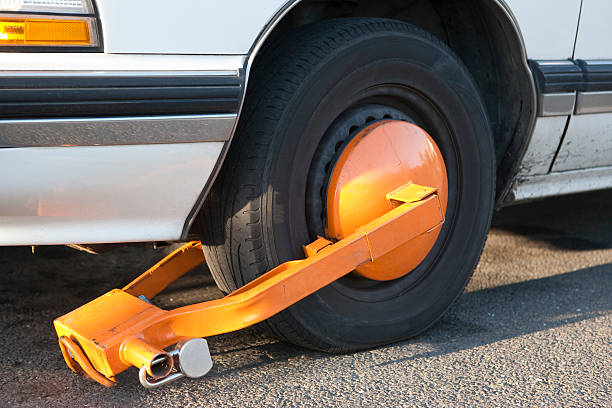
Reasons for Car Impound
If there’s a car impounded someone else driving, the thief might have done any of the most common reasons below:
- Traffic violations – This includes serious offences like driving under the influence (DUI), high-range speeding, reckless or dangerous driving, and hooning.
- Illegal parking – Parking your car in a way that obstructs traffic or violates parking regulations can result in your car being towed and impounded.
- Abandoned vehicles – If your car is left unattended on public property for an extended period, it may be considered abandoned and impounded.
Recovering Your Car
Having your car stolen and then impounded adds another layer of complexity to an already stressful situation. For vehicle owners who want to recover their car, they must do the following:
- Contact the impound yard and explain the situation and provide them with the police report and ownership documents.
- Pay the police impound fees first. The registered owner will likely be responsible for paying the towing and storage fees incurred for their impounded car. These registered owners must check with their insurance company to see if they cover impound fees under your policy.
- Collect your car once the fees are settled and the impound yard will release your vehicle.
Some possible complications might include evidence tampering. This means that if the thief used your car for illegal activities before it was impounded, there might be evidence tampering or damage. Remember, do not touch the car until authorities have processed the scene.
As to payment of fees – while some insurance policies cover impound fees in theft cases, others might not. Double-check your policy and discuss any concerns with your insurance company. Don’t worry because if the thief is caught and convicted, you might be able to seek restitution for the impound fees as part of their sentencing. However, this depends on the court’s discretion and the offender’s ability to pay.
Insurance Policies and Impound Fees in Theft Cases
Some insurance companies typically cover theft and associated costs, including towing and storage fees from impoundment yards. However, some policies might have limitations or exclusions.
In New South Wales, drivers are required to have a CTP (compulsory third party) insurance in order to register their vehicles. This insurance compensates injured victims or the family of deceased victims involved in an accident with your vehicle.
There’s also this Third Party Fire and Theft Insurance (not to be confused with Compulsory Third Party Insurance). This one provides protection against damage sustained due to:
- Theft or fire. You are covered for the market value of your vehicle and is up to AUD 10,000.
- Accidents caused by other drivers. If another driver causes an accident and damage to your car, you can file a claim under this policy. The maximum coverage is AUD 5,000.
Other types of insurance only covers damage caused to other vehicles or property by your car, not theft or its related costs like impoundment. That’s why when getting a car insurance, you must carefully read your policy documents. Check the sections on theft, towing, and impoundment and look for specific terms like “impoundment fees,” “storage charges,” or “associated recovery costs.”
However, you must still be prepared for additional costs. Depending on the reason for impoundment, you might face additional fines or penalties that insurance won’t cover.

Got Your Vehicle Impounded?
Traffic offences can be a bit of a hassle because your driving licence may be suspended and there’s probably damage with your car and you need to have it repaired. Fret no more because JB Solicitors’ traffic lawyers are here to guide you throughout the legal processes.
If your car is impounded, it is important to remain calm and cooperate with the senior police officer who impounded the car along with police authorities. Do not argue or try to resist the impoundment. Get legal advice if you have any questions about your rights for impounded vehicles.
Contact us today if you have an impounded vehicle you want to recover.

